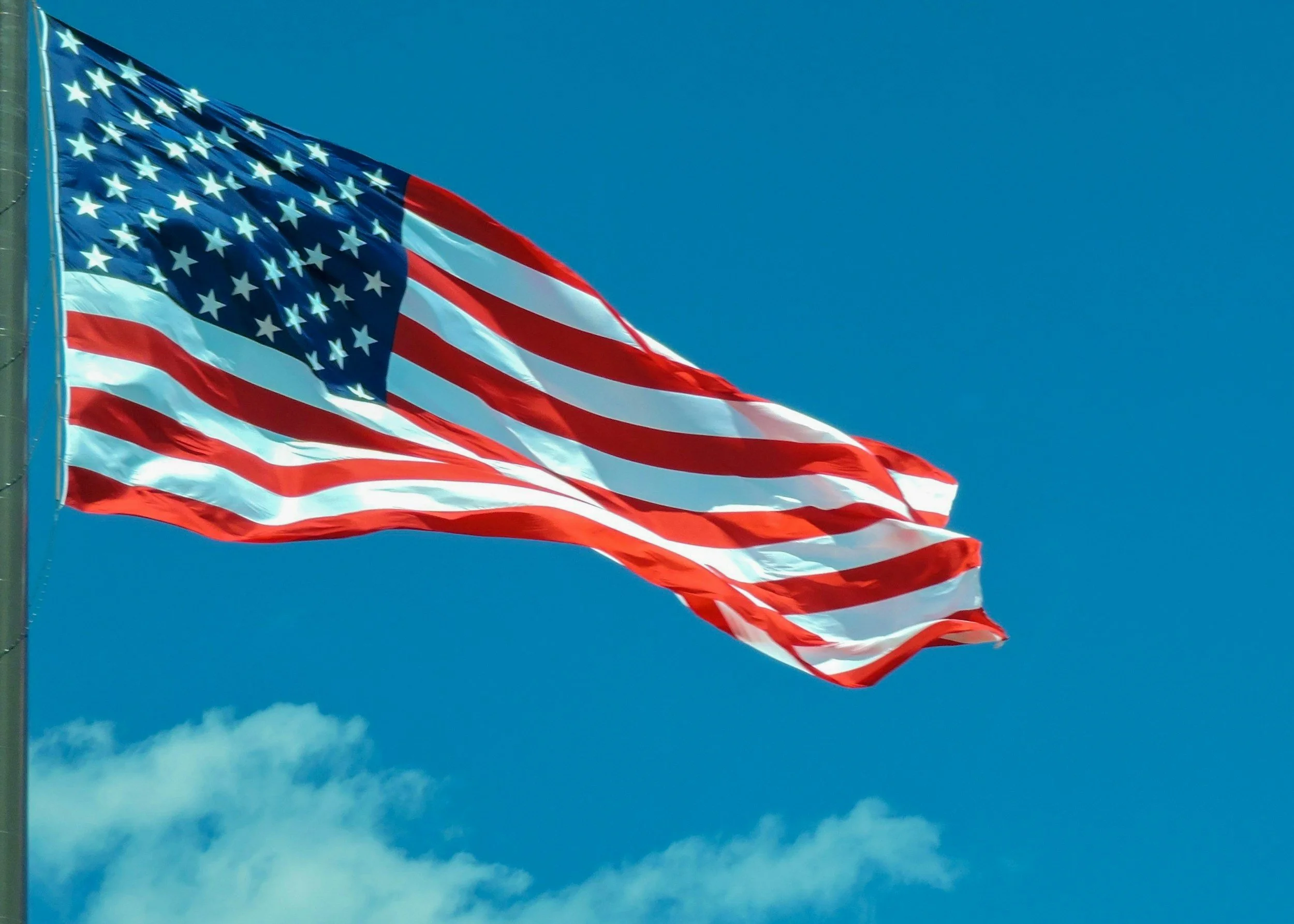
Resistance to tyranny remains strong 250 years into the American experiment. Take heart: History teaches us that hope and freedom can conquer fear and despotism.
““By the rude bridge that arched the flood,
Their flag to April’s breeze unfurled,
Here once the embattled farmers stood,
And fired the shot heard round the world.” ”
Growing up around Boston, every child hears the stories of the American Minutemen. Many of us learned the poems about them by heart, especially one about patriot farmers defending a Concord bridge from British soldiers where some of the first volleys of the American Revolution erupted on April 19, 1775.
The musket shots and their message echoed across the globe and gave hope not just to colonists bristling under the tyrannical rule of a British king, but to people everywhere—then, and down through the centuries--who yearn for freedom, independence and democracy.
Over 200 years later, as college student, I went with my family to the Old North Bridge in Concord to hear President Gerald Ford mark the Bicentennial of the battles of Lexington and Concord, with a speech there on April 19, 1975, to a sprawling crowd of 110,000.
Ford extolled the American values of liberty and self-government that some of those patriots paid for with their lives—principles he said had become more universal and adopted ever since by many other nations seeking to be free and independent republics.
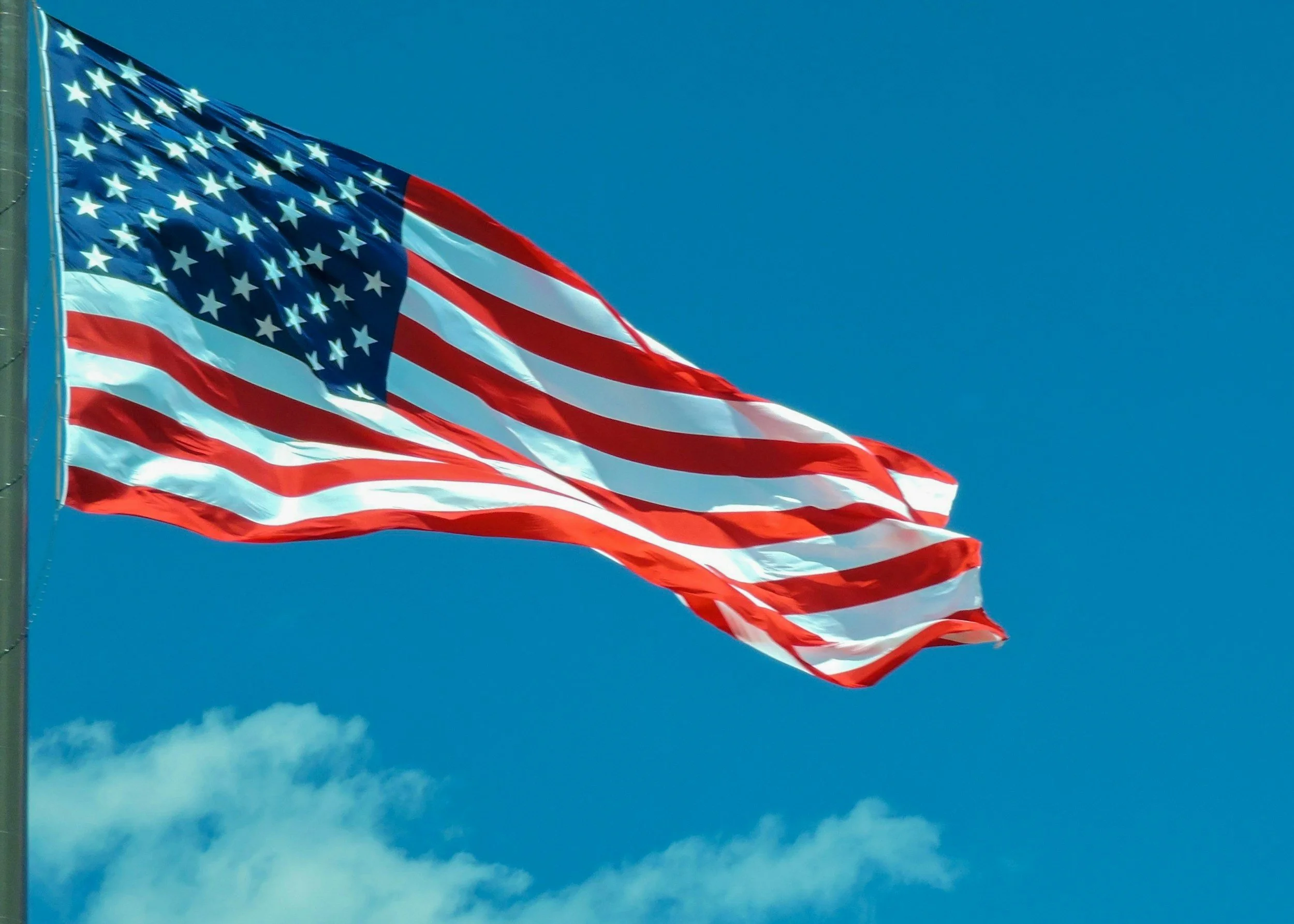
photo by Annerose Walz
Even so, thousands of demonstrators nearby that day loudly protested the Vietnam War and economic hardship. They jeered, booed and heckled the president. Democracy is often messy, and freedom is never free. It has to be reimagined and nurtured by each generation. History doesn’t always repeat itself, but it echoes.
A half-century on, Americans celebrate again this week the now 250th anniversary of the Declaration of Independence on July 4, 1776, that came a year after those musket volleys were fired. America is not perfect on its Semi-quincentennial birthday. The struggle for a more perfect union continues amid some of the most bitter partisanship and polarization in memory.
Yet, the nation endures. It’s founding principle of equality for all has not yet been fully realize. It suffered far worse division in the Civil War, when President Abraham Lincoln reframed that principle at Gettysburg as a “new birth of freedom” for a new nation in 1863. Women didn’t earn the right to vote until 1920, and the Civil Rights battles of the 1960s continue in significant ways to this day.
The hopes, dreams and courage of long-ago patriots still burn in today’s advocates for a better, fairer, more equal, multi-ethnic and multi-racial democracy to evolve and endure.
American leadership, reliability, integrity and honesty have been undermined by a wildly corrupt, hateful and lawless kind of politics again, but history teaches that decency and hope can conquer tyranny and fear in due time.
Remember the words of President Joe Biden, whose administration is looking better to historians every day, when he reassured Americans in his inaugural address in 2021 two weeks after violent insurrectionists stormed the U.S. Capitol and tried to overturn a presidential election.
“The battle is perennial, and victory is never assured,” Biden said. “Through civil war, the Great Depression, world war, 9/11, through struggle, sacrifices and setbacks, our better angels have always prevailed. In each of these moments, enough of us — ENOUGH OF US — have come together to carry all of us forward, and we can do that now.”
Decency and hope are the light that shines through from Concord and Lexington and two lanterns in the Old North Church in Boston that spurred horse riders to warn the Minutemen to wake, arm and gather “through every Middlesex village and farm,” as poet Henry Wadsworth Longfellow described it in “Paul Revere’s Ride.”
The quarter millennial birthday of the Declaration is a fitting time to remember that the American spirit for liberty and justice for all has been galvanized before and is on the march again. Resistance to tyranny is in America’s DNA and one of our most cherished values.
Not a vague, wishy-washy hope, but a hope tempered by the steel of America’s revolution and progress through the centuries. We have lived through worse than the current tumultuous era, but we have to rededicate ourselves to that rebirth of freedom Lincoln championed fiercely to keep the Union together.
When former President Barack Obama dedicated his Presidential Center in Chicago last month, he underscored that it was not just a place about the policies and progress of his administration, but about the work that remains ahead for us all and shared values of this country.
He emphasized that, “Men and women from all walks of life, of every color, every faith, every region took up the cause of democracy and made it their own until "we the people" came to include not just some of us, but all of us.”
Those values include “a belief that qualities of character, honesty, integrity, kindness, compassion, a sense of duty and honor, those things matter in our public dealings, just as they do in our private lives. These are the values and traditions I believe in, and they are not Republican or Democratic values. They are American values we can all share, regardless of party.”
In his powerful book “The Greatest Sentence Ever Written,” author and historian Walter Isaacson examines the power and wisdom of the founding principles enshrined in the second sentence of the Declaration of Independence, “We hold these truths to be self-evident, that all men are created equal, that they are endowed by their Creator with certain unalienable Rights, that among these are Life, Liberty and the Pursuit of Happiness.”
Isaacson called it “the greatest sentence ever crafted by human hands,” and his book lays out how Americans can stay true to these principles even at times when democracy seems so imperiled by senseless destruction of our institutions, growing corruption and greed, escalating attacks on a free press, the loss of our common ground and shared truths, the rise of an elite meritocracy and the economic dislocation that left Americans for the first time fearful their children will no longer have better lives than they did.
The solutions Isaacson sees are to reflect on and to reaffirm of our founding principles as laid out in the Declaration and to recommit ourselves to the pursuit of shared values and the American Dream of a better life and fairer world for everyone.
No easy task, for sure, especially in the current climate of polarization, accusation and fear generated by our leaders, our media ecosystems and the algorithms and misinformation that amplify outrage more than conciliation on social media. But the task was ever thus.
The country remains a work in progress. The best birthday present Americans of this generation can give to their 250-year-old nation is to put their hands on the helm of history and pledge to work harder to steer the ship to common ground. The shot heard round the world still echoes today.
We must rededicate ourselves anew to the higher values of the Declaration of Independence and our commitment to be decent citizens, compassionate human beings and true stewards of those principles.
Yes, we can. We have done this before.
Storer H. Rowley